

When you're outfitting a baseball team, whether youth, high school, travel, or adult league. fabric choice matters more than most coaches realize. A uniform can look incredible during the team photo, but if the material traps heat, tears easily, or fades halfway through the season, your players feel it every game.
What separates average uniforms from great ones isn't just design. It's the fabric foundation. The right material keeps players comfortable, boosts performance, and makes uniforms last. This guide breaks down how to choose the best baseball uniform fabrics with real-world considerations.
Why Fabric Choice Matters for Baseball Players
Baseball involves sprinting, sliding, stretching for catches, and long innings under the sun. Uniform fabrics need to check specific boxes: breathability for players who run hot quickly, durability since sliding and frequent washing destroy cheap material, moisture control to move sweat away from the body, color retention so team colors don't fade, and comfort to avoid scratchy fabric that makes players miserable.
Coaches who skip the fabric conversation often end up with uniforms that look good but don't last. If you're still figuring out which supplier to work with, you might want to choose the right baseball uniform maker before diving into fabric details.
Key Fabric Options for Modern Baseball Uniforms

Not every fabric is made for baseball. Here are the materials your supplier will typically offer and what you should know before saying yes.
1. Polyester (Most Popular & Recommended)
Polyester remains the go-to fabric for most baseball teams today. It's durable, moisture-wicking, and colorfast everything baseball requires. Teams prefer it for excellent durability against sliding and washing, no shrinkage, bright color retention when sublimated, and lightweight breathability.
This fabric works best for youth leagues, high school programs, college teams, and adult competitive leagues. Most sublimated jerseys are 100% polyester because the print chemically bonds with fibers. If you're curious about printing methods, there's a detailed comparison in sublimated vs stitched uniforms.
2. Mesh Performance Fabrics
These are polyester blends with ventilation holes for enhanced airflow. They're ideal for warm or humid climates, summer tournaments, or double-headers. Players often say mesh jerseys "feel cooler" during long innings.
3. Poly-Spandex Blends (For Premium Stretch)
These blends introduce 5–10% spandex for added flexibility. Coaches choose this because it allows full range of motion, works great for pitchers and catchers, and feels more premium than basic poly. If your team wants high-end pro-style uniforms, this blend is worth it.
4. Heavyweight Poly for Pants
Jersey fabrics and pant fabrics aren't the same. Baseball pants need extra strength for sliding. Look for double-knit construction, reinforced knee zones, and stretch panels. Good pants fabric lasts multiple seasons.
When you're ready to buy a custom baseball uniform for men and women, ask your supplier about pant fabric construction. It makes a huge difference.
Comparing Fabrics: What's Best for Your Team?
Here's a quick way to compare options when talking to your uniform supplier:
|
Fabric Type |
Durability |
Breathability |
Cost |
Best For |
|
Polyester |
⭐⭐⭐⭐ |
⭐⭐⭐ |
$ |
Most teams |
|
Mesh Poly |
⭐⭐⭐ |
⭐⭐⭐⭐ |
$ |
Hot climates |
|
Poly-Spandex |
⭐⭐⭐⭐ |
⭐⭐⭐ |
$$ |
Competitive/elite teams |
|
Heavy Poly (Pants) |
⭐⭐⭐⭐⭐ |
⭐⭐ |
$$ |
Baseball pants |
Every team has different needs, some prioritize budget, others performance. Understanding these differences helps you make the smartest choice.
Factors to Consider Before Picking a Fabric

Choosing fabric isn't just about reading specs. Here's what to think through before ordering.
1. Your Climate and Game Schedule
A team in Arizona heat needs breathable mesh or lightweight poly. Teams in cooler climates may prefer heavier fabrics. Your local weather should directly influence your fabric decision.
2. Level of Play
Higher-level teams often need stretch, moisture-wicking, and long-lasting sublimation. Recreational teams might prioritize affordability. Match the fabric quality to how your team actually uses the uniforms.
3. Your Uniform Design
Some fabrics work better with certain design methods. Sublimation looks best on polyester. Tackle twill requires sturdier fabrics. Choosing the wrong fabric can limit design options, so it helps to have some tips for designing a personalized Uniform before finalizing fabric choices.
4. Durability Expectations
If your team slides aggressively or practices multiple times weekly, invest in higher-grade fabrics especially for pants. Cheap fabric saves money upfront but you'll replace uniforms mid-season.
5. Player Comfort
Players tugging at itchy sleeves or adjusting stiff jerseys between plays affects performance. Look for soft-touch fabrics, tagless labels, and breathable weaves. Comfort equals confidence on the field.
How Sublimation and Fabric Work Together
Sublimation isn't a fabric, but it directly affects fabric choice. To put it simply, sublimation only works on polyester. The higher the polyester content, the brighter and longer-lasting the colors.
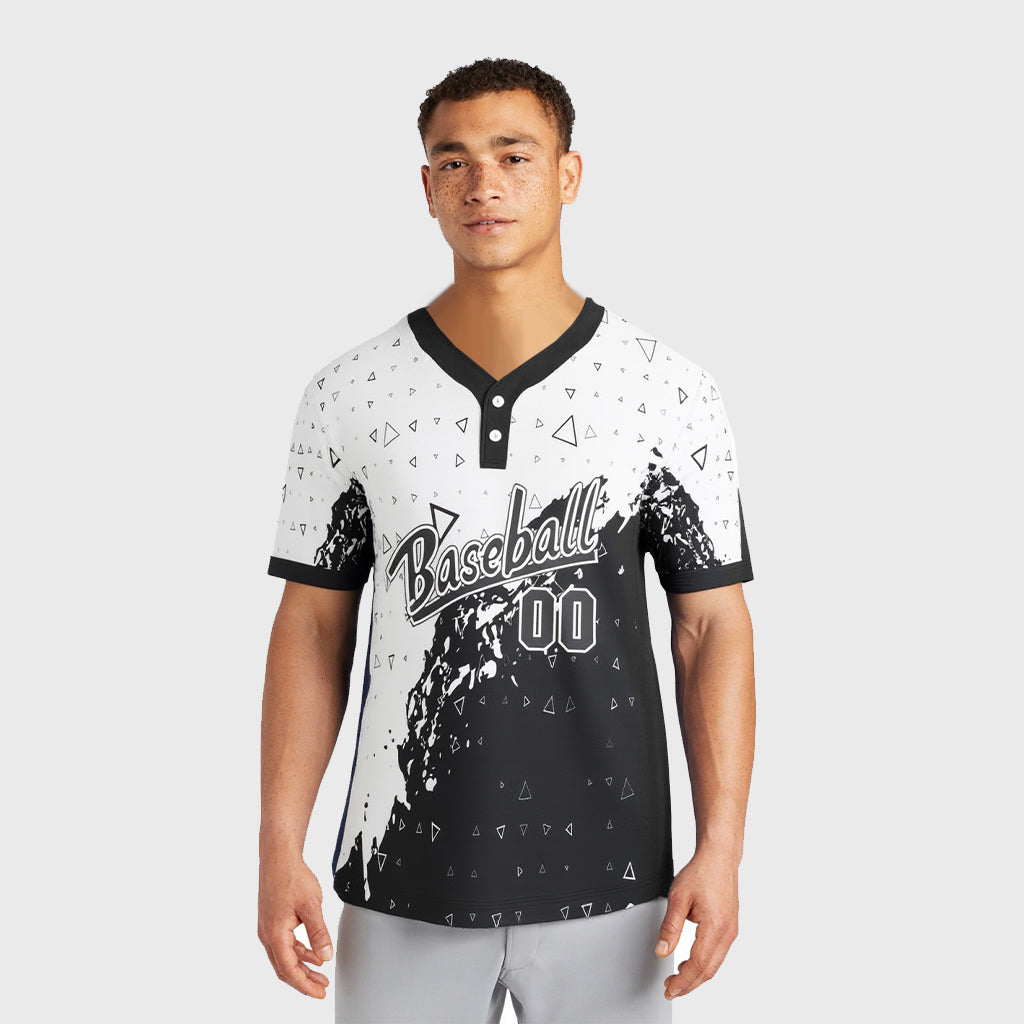
This method allows unlimited colors, gradient effects, and detailed logos without adding weight. That's why most competitive teams now prefer sublimated polyester, the colors become part of the fabric instead of sitting on top.
Real-Life Examples: What Other Teams Choose
Youth League Example
A youth team in Texas switched from cotton-blend to lightweight polyester because kids overheated during tournaments, cotton held sweat and felt heavy, and colors faded quickly. After switching, parents said washing was easier, and kids were more comfortable during games.
Travel Team Example
A competitive travel program chose poly-spandex jerseys because players wanted pro-style stretches, the team played 60+ games per season, and coaches wanted premium-looking uniforms. The material kept its shape even after dozens of washes.
If you're managing a youth program and wondering about sizing, check out the key differences between youth vs adult baseball uniforms since fabric choice sometimes varies by age group.
Adult League Example
An adult recreational league chose mesh fabric because night games still felt humid, and better airflow helped players stay comfortable through seven innings.
Common Fabric Mistakes Teams Make
Teams make the same fabric mistakes repeatedly. The biggest one? Picking fabric based solely on catalog photos instead of considering game conditions. Another issue is assuming all polyester is the same quality, it's not. Premium polyester feels completely different from budget options.
Teams also forget to ask about pant fabric separately, assume mesh means lower quality (it doesn't), and skip washing instructions. You can avoid most of these by reading common mistakes when ordering baseball uniforms before ordering.
Care Tips to Make Baseball Fabrics Last Longer
Even the best fabrics need proper care. Wash in cold water, avoid fabric softeners (they block moisture-wicking fibers), hang dry when possible, treat stains immediately, and avoid bleaching colored areas.
Simple habits can extend uniform life significantly. A $50 jersey lasting three seasons beats a $30 jersey that fades after one tournament.
Extra Considerations for Team Managers
Budget Planning
Fabric quality affects price. Focus on better fabric for jerseys and go budget-friendly on practice gear. There's a helpful guide for make a budget for youth sports teams that breaks down uniform budget allocation.
Logo and Design Licensing
Some fabrics limit your ability to reproduce logos clearly. If your team uses licensed logos or complex designs, make sure your fabric supports that. You should also understand using a sports team logo legally before adding trademarked images.
Benefits Beyond Performance
Quality fabric affects more than game day. Parents appreciate uniforms that wash easily and last. Players feel more confident when they look professional. The benefits of wearing customized jerseys extend well beyond looking good.
Do All Teams Wear Uses These Fabric Standards?
When you're looking for the best customized baseball uniform maker, fabric quality should be a top consideration. All Teams Wear prioritizes fabrics that balance durability, comfort, and customization, engineered for long tournaments, high color retention, breathable performance, modern sublimated designs, and strong construction.
Teams often mention how well the uniforms hold up for full seasons, especially youth programs with heavy wear. The fabric doesn't fade, pill, or lose shape even after 20+ washes.
Final Thoughts
Fabric choice affects comfort, performance, and how long your investment lasts. Don't just pick whatever's cheapest or looks good in a mockup. Think about your climate, level of play, and how often your team will wear these uniforms.
If you need a fully customized baseball uniform for teams with the right fabric for your needs, take time to ask questions, request samples if possible, and talk to other coaches about what worked. The right fabric makes the difference between uniforms that survive one season and uniforms your team wears proudly for years.